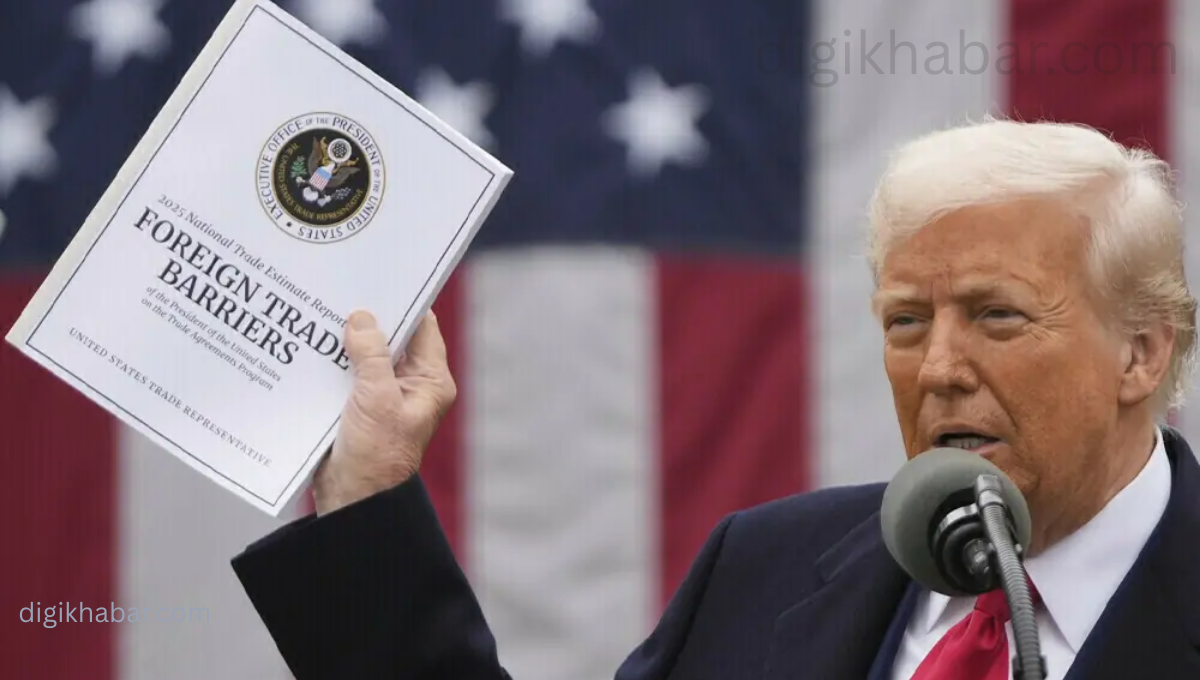
Trump Tariffs Face Supreme Court Showdown: The world of trade is holding its breath. A dramatic U.S. court ruling against Donald Trump’s sweeping tariffs has rekindled hope among global exporters desperate for fairer access to the American market. But while many countries are moving quickly to shield their exporters, India finds itself dangerously unprepared, exposing a deep vulnerability that could cost billions in lost trade.
The Court Ruling That Shook Tariffs
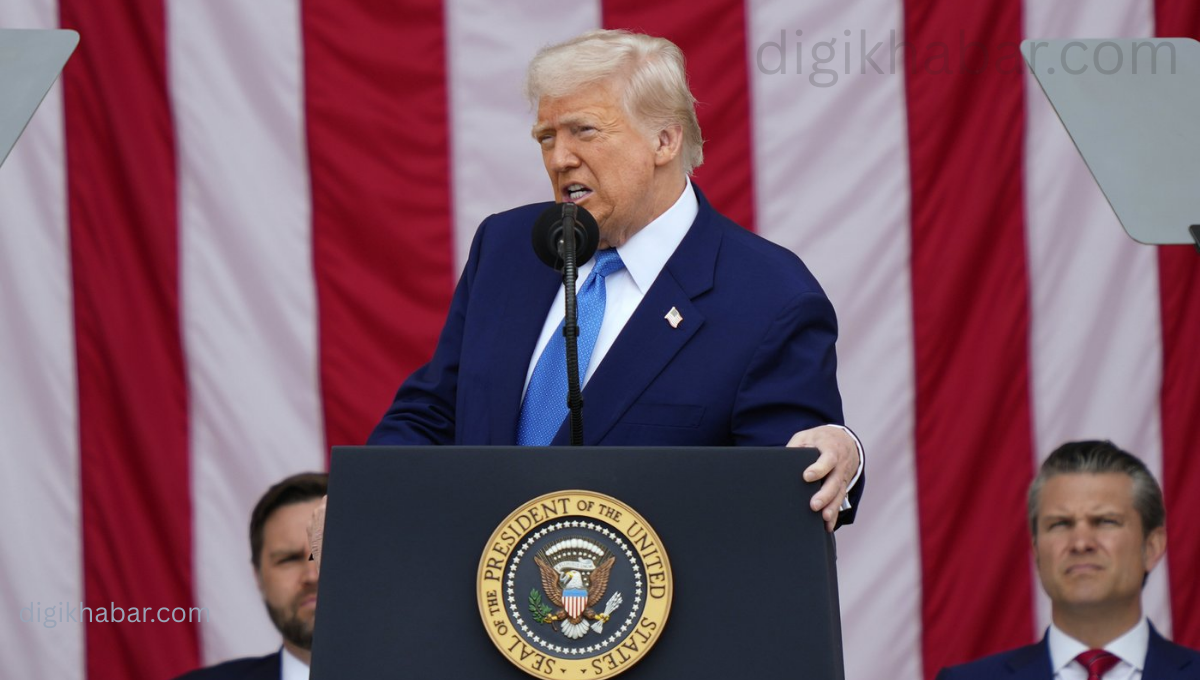 In a landmark judgment, the U.S. Court of Appeals for the Federal Circuit, in a close 7 4 decision, ruled that Trump had exceeded his authority under the International Emergency Economic Powers Act (IEEPA). By declaring trade deficits and fentanyl inflows as “national emergencies,” he had imposed tariffs of up to 50% including on imports from India and Brazil.
The judges stressed that the power to impose such tariffs rests with Congress, not the president. However, the duties remain in place until October 14, when the U.S. Supreme Court will take up the case in what is expected to be a historic showdown. The verdict could determine whether Trump’s tariff regime collapses or cements itself as a defining tool of U.S. trade policy.
Global Response vs. India’s Silence
The ruling has already reshaped global trade strategies. Brazil, facing the same 50% tariffs, wasted no time in acting. It rolled out a $5.6 billion support package, deferred taxes, expanded rebates, and even threatened retaliatory duties under its Reciprocity Law. Brazilian exporters, especially in beef, quickly diverted shipments to Mexico and sought alternative markets.
India, however, has remained silent. With no targeted relief or strategic plan, its exporters particularly in garments, leather, and engineering goods are now battling escalating costs and shrinking competitiveness. What could have been a moment of relief has instead become a wake-up call.
Trump’s Defiance
Despite the ruling, Trump has made his stance crystal clear. Taking to his social media platform, he declared in capital letters:
“ALL TARIFFS ARE STILL IN EFFECT!”
He warned that rolling them back would “literally destroy the United States of America,” defending tariffs as vital protection for American industries. His administration insists that removing them would undermine U.S. foreign policy and embolden rivals.
India’s Dilemma and GTRI’s Warning
For India, the stakes are enormous. Exports that once faced an average 3% duty are now burdened by 50% tariffs, jeopardizing billions of dollars in trade. The Global Trade Research Initiative (GTRI) has issued a stark warning: New Delhi cannot afford to wait for the Supreme Court’s decision.
Instead, India must act now reviving suspended schemes like the Market Access Initiative and Interest Equalisation Scheme, fast tracking export hubs, and fixing customs bottlenecks. Without decisive action, Indian exporters risk losing market share not only in the U.S. but globally, as competitors like Brazil and China adapt swiftly.
A Narrow Window of Hope
The Supreme Court hearing in October will be pivotal. If the justices side with the lower court, the tariff wall could come crashing down, offering relief to exporters worldwide. But if they uphold Trump’s expansive powers, the tariffs may become a permanent feature of global trade.
For exporters across Asia, Latin America, and beyond, the ruling has already restored a measure of faith in the rule of law. But for India, the moment carries an urgent lesson: waiting passively could turn a fleeting chance into a long-term setback.
As the world watches the legal drama unfold in Washington, one question looms large: Will India seize this window of opportunity, or remain flat-footed while others surge ahead?
Disclaimer: This article is based on live international trade developments and expert reports. It aims to inform readers about the global impact of U.S. tariffs and India’s policy challenges. It does not intend to take a political position or favor any party.
Also read: India Economy Surprises with 7.8% Growth in June Quarter, Defying Global Forecasts