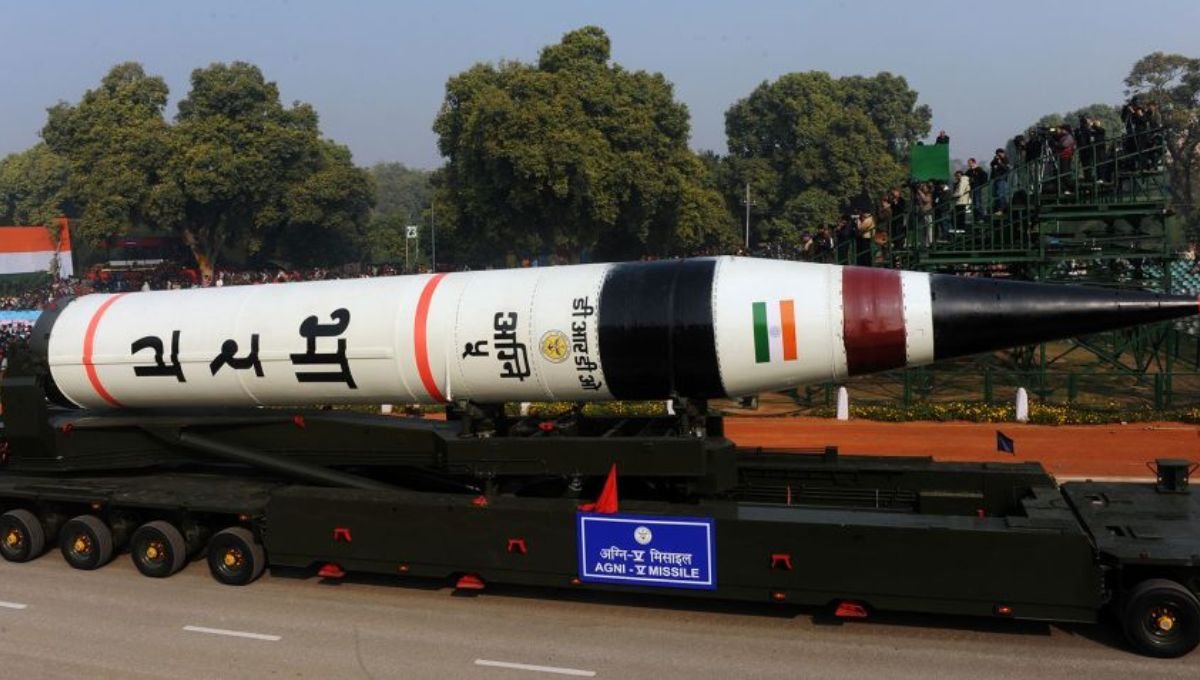
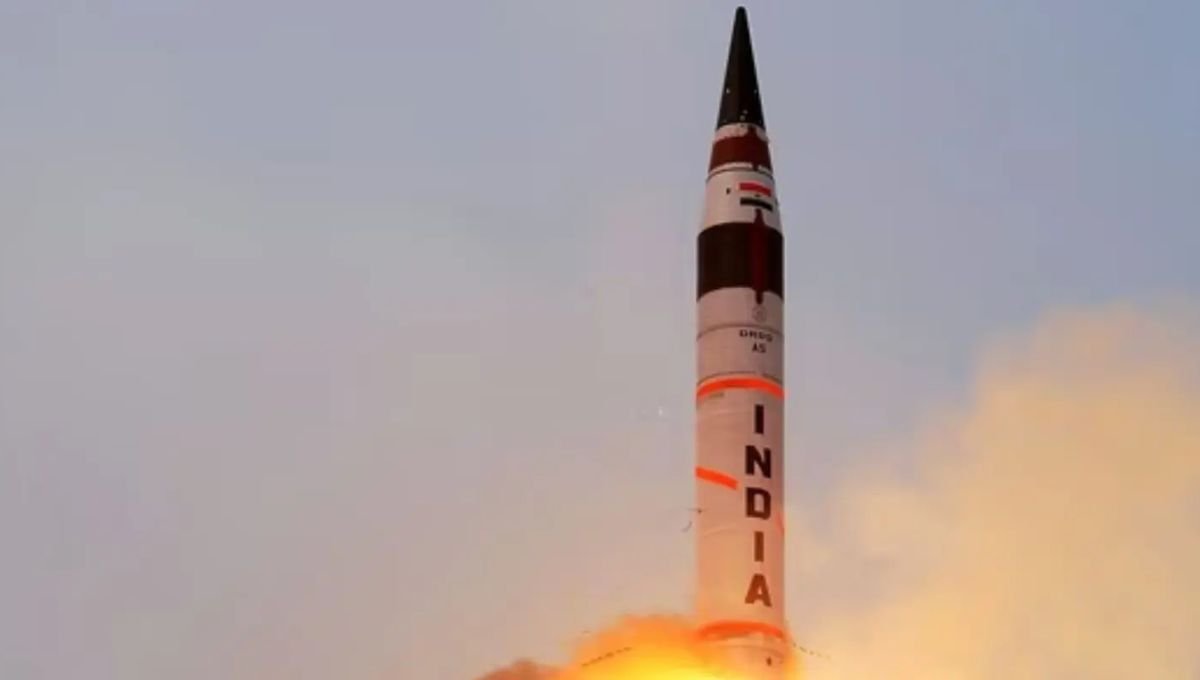
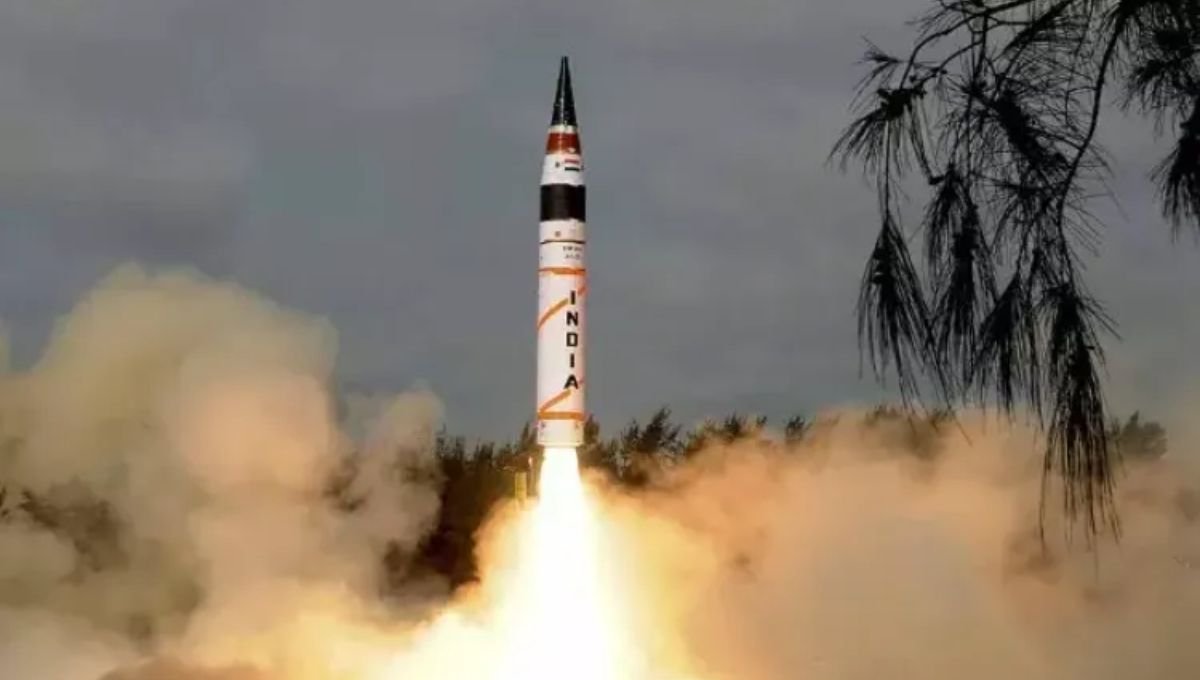
In a powerful display of its defense capabilities, India has successfully test-fired the indigenously developed Agni-5 intermediate range ballistic missile, a weapon capable of carrying a nuclear warhead and striking deep into Chinese territory. The test comes at a crucial moment, just as Prime Minister Narendra Modi prepares for a rare and significant visit to China after years of frosty ties.
The launch, conducted from Odisha’s eastern coast, was declared a success by India’s Ministry of Defence, which confirmed that the missile “validated all operational and technical parameters.” With an impressive range of over 5,000 kilometers (3,100 miles), the Agni-5 firmly brings within reach key strategic regions of both China and Pakistan, India’s primary geopolitical rivals.
A Message Amid Shifting Geopolitics
The timing of this test is symbolic. India and China remain locked in a contest for influence across the Asia-Pacific, with their relationship strained since the deadly border clashes of 2020 in the Himalayas. Although recent months have shown small signs of thawing such as the resumption of commercial flights, reopening of pilgrimage routes in Tibet, and renewed tourist visas the undercurrent of rivalry persists.
The missile test underscores India’s effort to strengthen its strategic deterrence, particularly as China rapidly expands its nuclear arsenal. According to the Stockholm International Peace Research Institute (SIPRI), China now possesses around 600 nuclear warheads, compared to India’s estimated 180. The Agni-5 adds weight to India’s growing military preparedness at a time when balance in the region is under constant negotiation.
The Broader Strategic Landscape
The test also resonates beyond India-China relations. Pakistan, another nuclear-armed neighbor, remains a central concern in India’s defense posture. The two nations experienced their worst conflict in decades earlier this year, with airstrikes crossing deep into each other’s territory and raising fears of uncontrolled escalation. The Agni-5’s successful validation signals India’s readiness to counter any threat from across its western border as well.
Interestingly, the launch also comes as India navigates a complex relationship with the United States. Washington has been wooing New Delhi as a strategic partner to counter Beijing’s influence, but recent economic tensions, including threats of steep tariffs from President Donald Trump, have complicated the dynamic. Analysts suggest such U.S. policies could inadvertently push India and China closer together, even as both maintain deep-seated suspicions of one another.
Looking Ahead
Prime Minister Modi’s upcoming visit to China for the Shanghai Cooperation Organization (SCO) summit in Tianjin adds further weight to the Agni-5’s timing. With Chinese President Xi Jinping and Pakistan’s Prime Minister Shehbaz Sharif also expected to attend, the summit could become a pivotal platform to discuss security, stability, and regional cooperation.
For India, the Agni-5 is not just a missile — it is a statement of intent. It reflects New Delhi’s determination to maintain peace through strength, to protect its sovereignty, and to establish itself as a credible power in a rapidly shifting global order.
Disclaimer: This article is intended for informational purposes only. Official details regarding India’s defense programs and foreign policy decisions are based on government statements and credible international reports. Readers are advised to rely on verified sources for updates.
Also read: Shame Is Not Enough: Anurag Kashyap Rages Against AI in Hindi Films