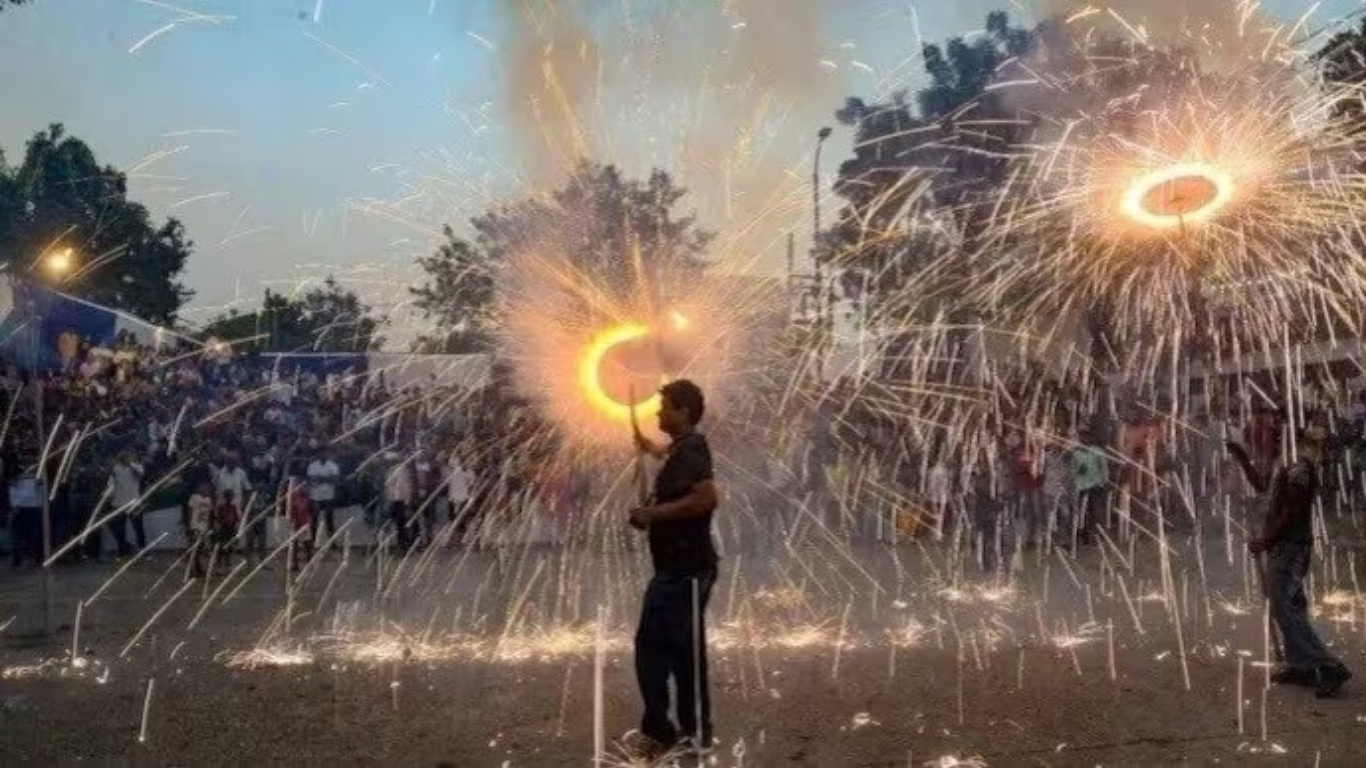
A Diwali Reborn: For the first time in years, the skies over Delhi and the National Capital Region might sparkle again this Diwali legally. In a surprising yet carefully measured decision, the Supreme Court has allowed the sale and bursting of firecrackers for five days during the festival. The ruling comes as a breath of relief for many who missed the sound and light of celebrations but also as a cause for concern among environmental experts who fear a fresh rise in pollution levels.
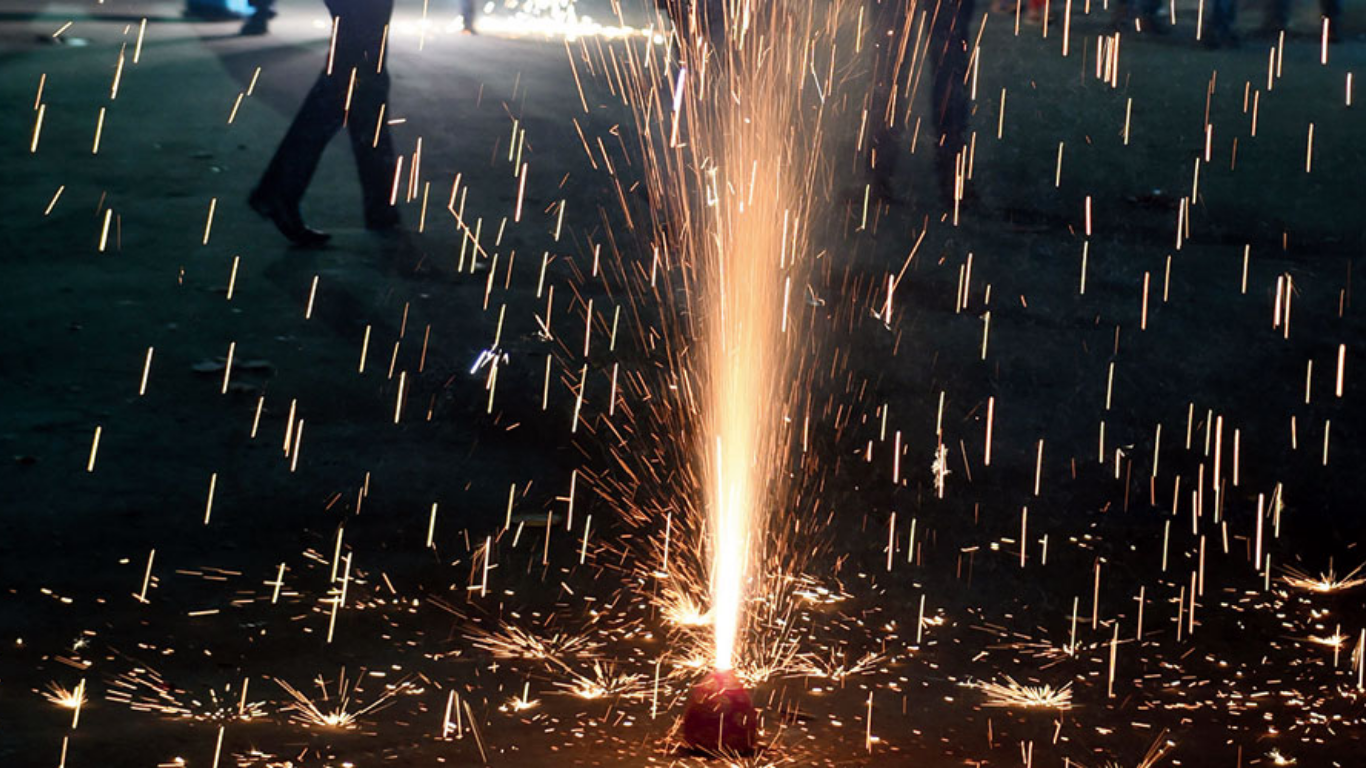
The court, led by Chief Justice of India Bhushan R. Gavai and Justice K. Vinod Chandran, said the move would be a “trial basis” relaxation, confined to specific time limits and regulated strictly under the government’s new framework for “green firecrackers” those certified by the National Environmental Engineering Research Institute (NEERI).
Balancing Celebration and Responsibility
Solicitor General Tushar Mehta, appearing for the Centre, made a passionate appeal to the court to allow children and families to celebrate Diwali “with fervour,” even if only for a few hours. The government proposed specific time slots 8 p.m. to 10 p.m. on Diwali and major festivals, 11:55 p.m. to 12:30 a.m. on New Year’s Eve, and limited windows during Gurpurab and weddings.
Online platforms such as Amazon and Flipkart will continue to face a strict ban on selling firecrackers, ensuring that only licensed traders can participate. The court stressed that the relaxation was not a free pass but a test of whether citizens and authorities could celebrate responsibly.
The Pollution Dilemma: Celebration at a Cost
While the court’s decision may warm many hearts, experts warn it could cool the air in another way literally. Delhi’s post Diwali smog is infamous, and even “green firecrackers,” which emit around 30 to 35% less pollutants, can worsen already choking conditions.
Sunil Dahiya, founder of think tank Envirocatalysts, expressed deep concern, saying that even green crackers could “set back the fight against air pollution by ten years.” He added that poor enforcement in the past led to conventional crackers being sold under the guise of green ones.
Data from previous years paints a grim picture: air quality across 40 Delhi monitoring stations has shown dangerous spikes during Diwali nights with PM2.5 levels crossing more than 120 times the World Health Organisation’s safe limit in some areas.
Government’s Plan: Regulation, Monitoring, and Awareness
The Union government’s enforcement plan is extensive. It requires manufacturers to register QR coded firecrackers, maintain detailed records, and undergo regular testing by the Petroleum and Explosives Safety Organisation (PESO). Authorities will conduct surprise inspections, suspend violators’ licenses, and run public campaigns to raise awareness about approved crackers and pollution hazards.
Apps such as Sameer and Green Delhi will allow citizens to report violations directly, while continuous monitoring by the Central Pollution Control Board (CPCB) will track the festival’s impact.
However, amicus curiae Uttara Babbar cautioned that the plan might be more promise than practice. She noted the absence of local testing facilities in Delhi to verify products in real time a gap that could again lead to misuse and ineffective enforcement.
Between Law and Livelihood
The court also took note of the livelihood concerns of thousands of workers in India’s firecracker industry, many from marginalised communities. Their work has suffered under blanket bans, and the new decision offers them a glimmer of economic hope.
Senior advocate K. Parameshwar, representing manufacturers, urged the court to designate fixed sale zones for wholesalers and retailers to simplify monitoring and ensure that only certified crackers reach the market.
A Fragile Compromise
This ruling marks a significant shift from the court’s April 2024 order led by Justice Abhay S. Oka which reaffirmed a total ban on firecrackers in Delhi NCR. The new bench’s approach signals a desire to find a middle path between tradition and sustainability, acknowledging both the festive spirit and the environmental threat.
Still, experts say the true test lies not in the order itself but in how responsibly it is implemented and how sincerely citizens embrace the idea of a cleaner, greener celebration.
A Hopeful Diwali With Caution
This Diwali may bring joy to millions who missed the crackle and sparkle of fireworks, but it also comes with a moral reminder: every burst of light carries a cost. The Supreme Court’s “trial Diwali” could become a model for balanced celebration if Delhi chooses responsibility over recklessness.
As families light diyas and fireworks fill the night sky once again, perhaps this year’s festival will not just be about lighting lamps but about igniting awareness, compassion, and care for the air we all share.
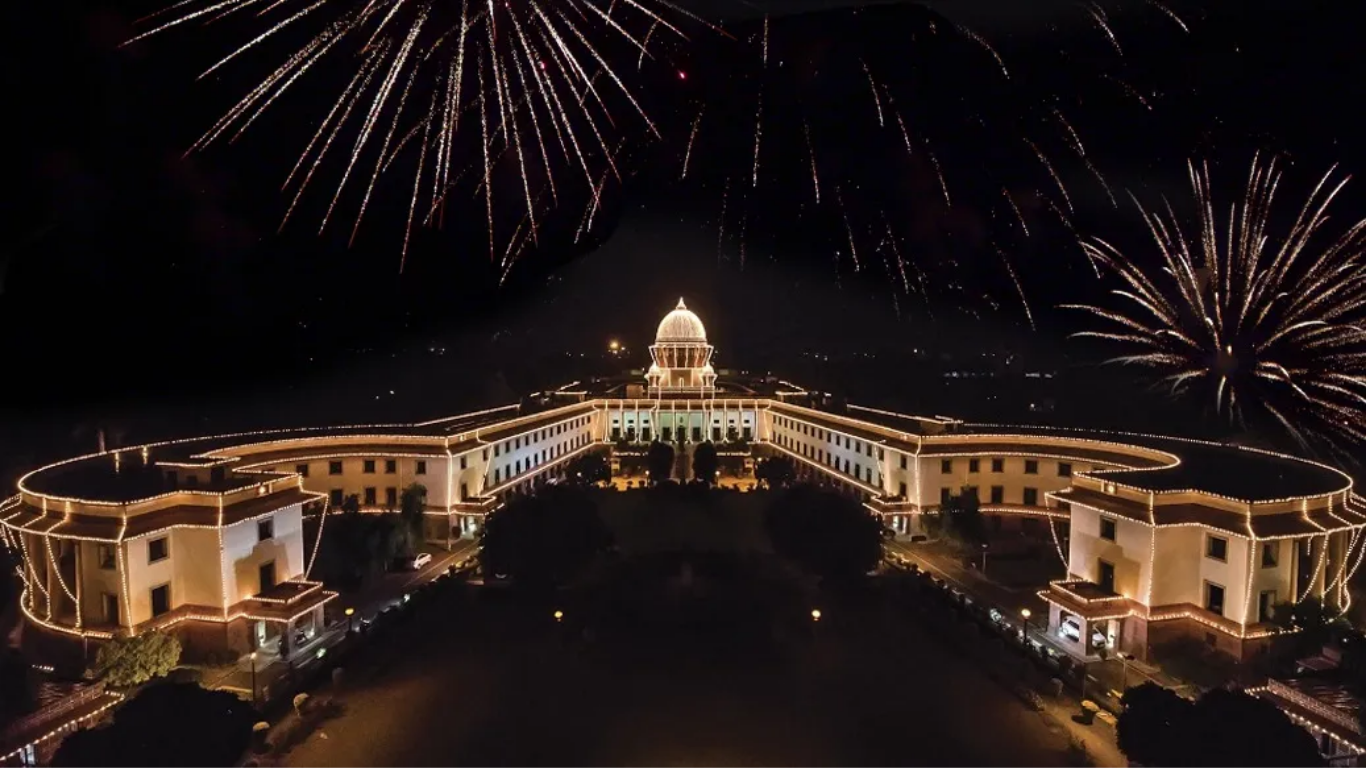
Disclaimer: This article is based on the Supreme Court’s recent decision regarding firecracker regulations in Delhi NCR. The information presented reflects the current understanding of the order and expert opinions available at the time of writing. Readers are advised to follow local guidelines and air quality advisories during the festival season.
Also read
Gold Rate Today Near All Time High Festive Demand Keeps 22K and 24K Prices Soaring
Madhya Pradesh Employees to Receive DA Hike Ahead of Diwali 2025