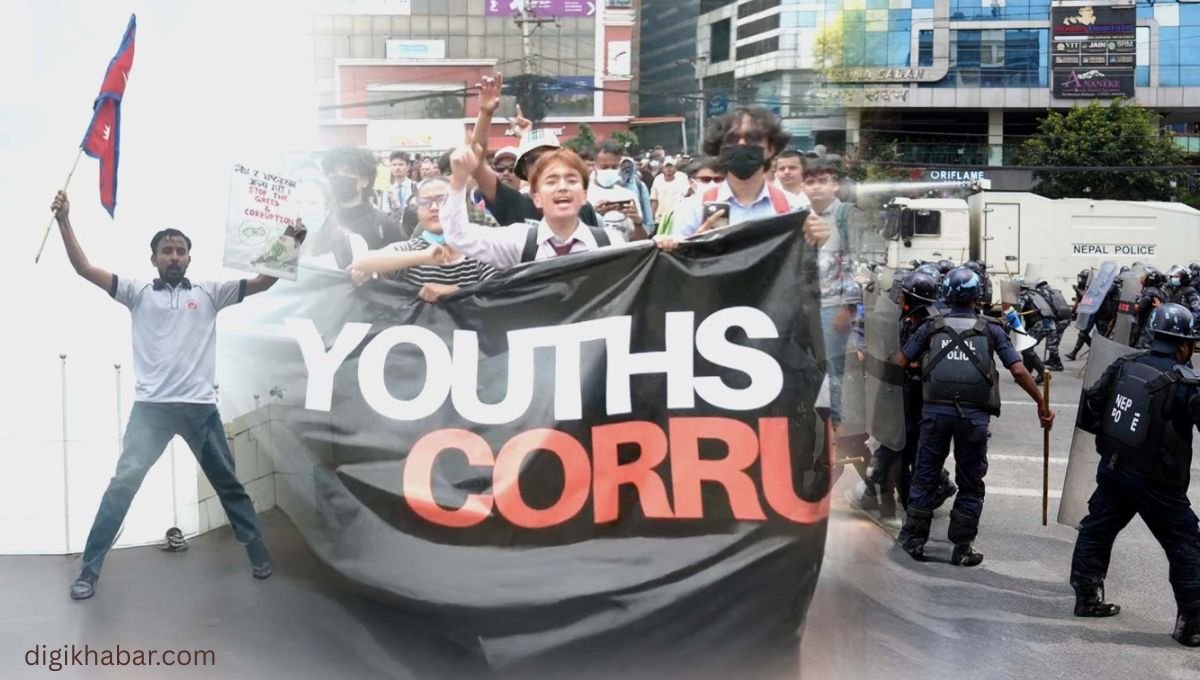
Nepal Gen Z Revolt: Across Southeast Asia, young people have risen against corruption and political stagnation from Indonesia to Malaysia. Few expected, however, that Nepal would soon see its own version of this youth led awakening. What began as online frustration quickly escalated into nationwide protests after the Oli government imposed a sweeping ban on social media platforms. Instead of silencing dissent, the ban ignited a fire, pushing Gen Z from their screens onto the streets. Within days, the demonstrations had already claimed at least 19 lives, exposing the brutality of a government desperate to cling to power.
Beyond the Ban: A Decade of Frustration
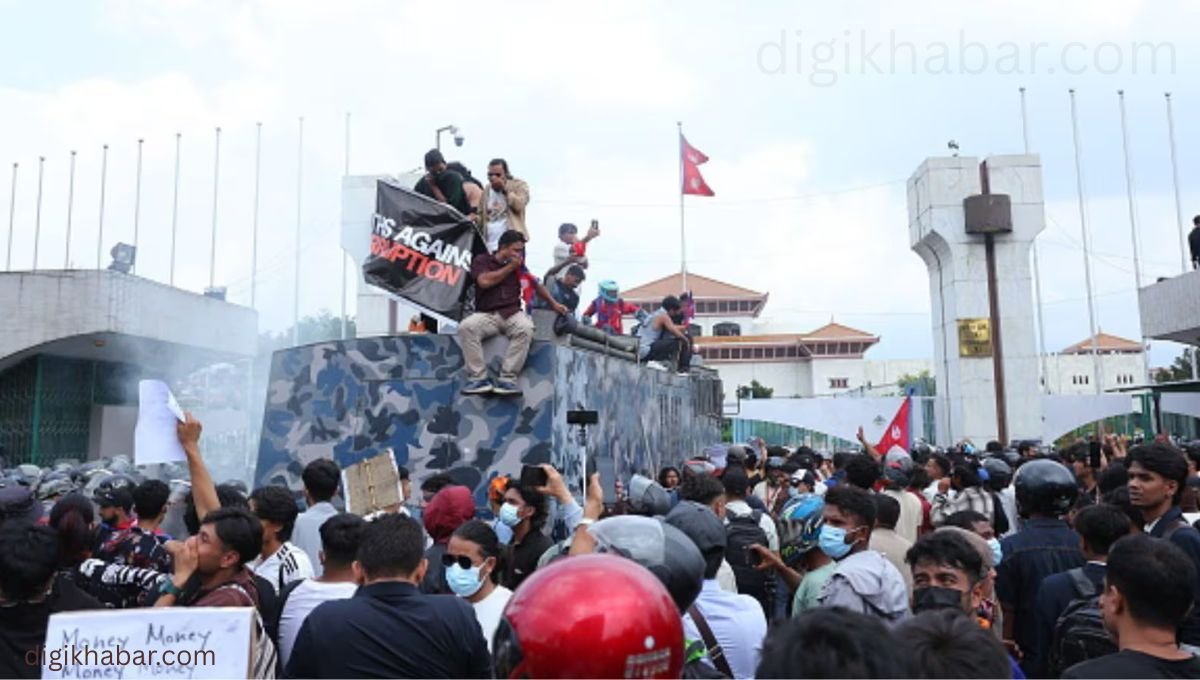
To call these protests a reaction to the social media ban alone would be an oversimplification. For years, Nepali youth have watched their leaders misuse taxpayer money, shield their families from accountability, and amass wealth while ordinary citizens struggle with poverty. Platforms like TikTok and Instagram became outlets for calling out “nepobabies” flaunting luxury trips and lifestyles funded by public money. What many dismissed as “online bullying” was, in reality, a collective cry of outrage a demand for dignity, transparency, and change.
The Old Guard vs. A Restless Generation
Nepal’s Gen Z has grown up seeing the same politicians rotate power, no matter the scandal or corruption charge. Leaders from across party lines have built alliances of convenience, maintained power through crony networks, and ensured that younger leaders remain submissive. The current coalition government, led by PM Oli with the support of the Nepali Congress, is viewed as a deal serving only the interests of top leaders. For the youth, this isn’t about left or right, monarchy or republic it’s about breaking free from an establishment that has betrayed them.
Rejecting Regression, Defending Democracy
Opportunistic forces have tried to hijack the movement, framing it as a call for monarchy’s return. But Nepal’s young generation has been raised in democracy. They value their freedoms and will not accept a return to regressive systems. Their struggle is not just against corruption, but also against any attempt to shrink the democratic space they consider their birthright.
A Nation at the Crossroads
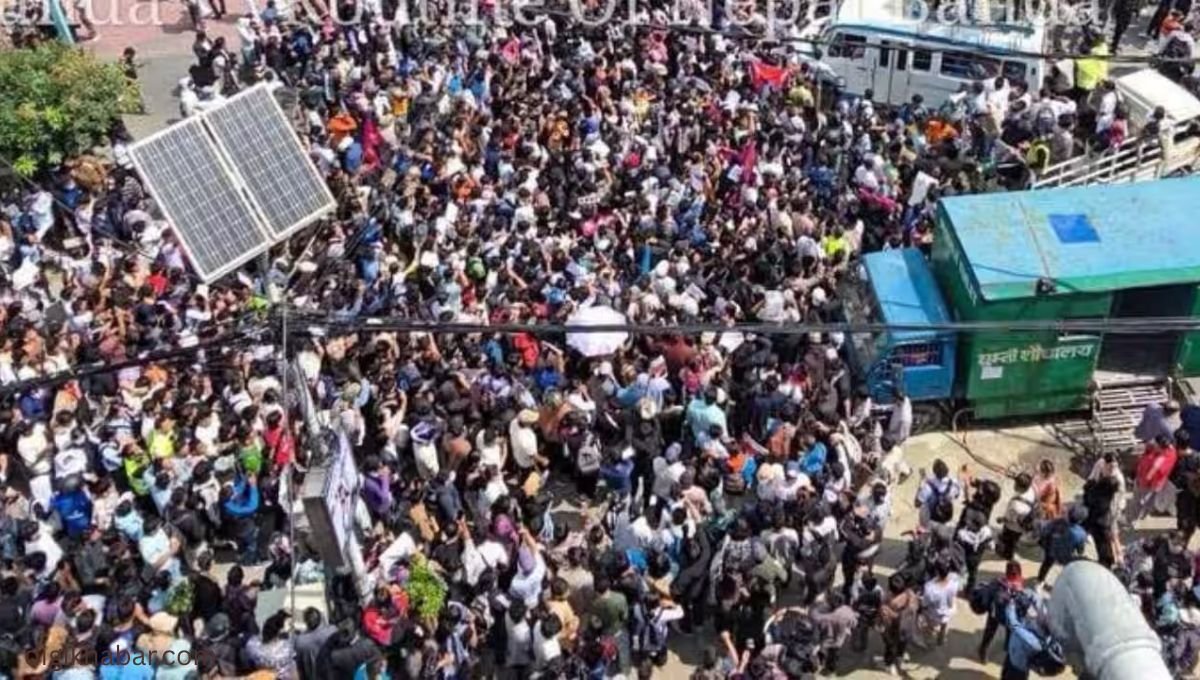
By banning social media, Oli underestimated the power of connection and community among the youth. Instead of weakening their voices, he gave them a rallying point. Now, what started as protests over online freedom has evolved into a nationwide movement demanding systemic change. Civil society, the media, security forces, and the international community face a critical role: to ensure Nepal does not descend into further chaos, but instead channels this energy toward building a just, accountable, and democratic future.
Conclusion: A Fight for Dignity and Democracy
Nepal’s Gen Z has shown that their anger is not fleeting or superficial. This is not just about TikTok or Instagram. It is about a generation unwilling to inherit a broken system. They are demanding leaders who work for the people, not themselves. And in doing so, they are reminding the world and their country that democracy must live up to its promises.
Disclaimer: This article is based on available reports and aims to present an analytical, human friendly perspective on Nepal’s current youth led protests. It does not intend to target or endorse any political party or ideology.