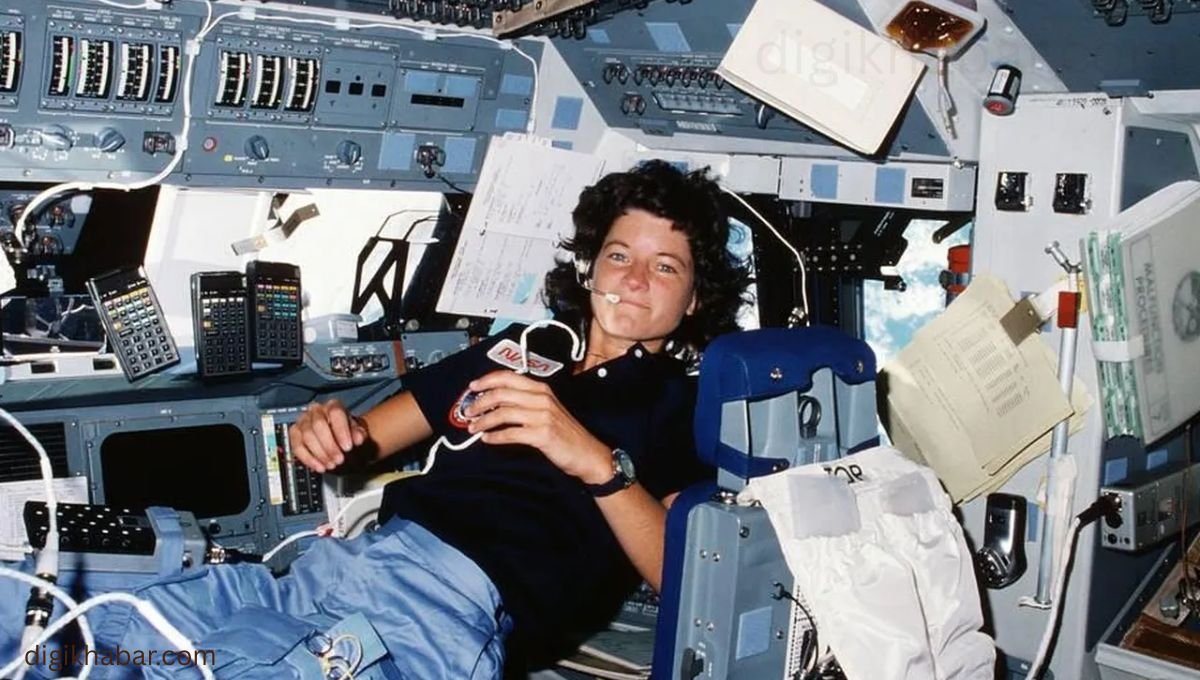
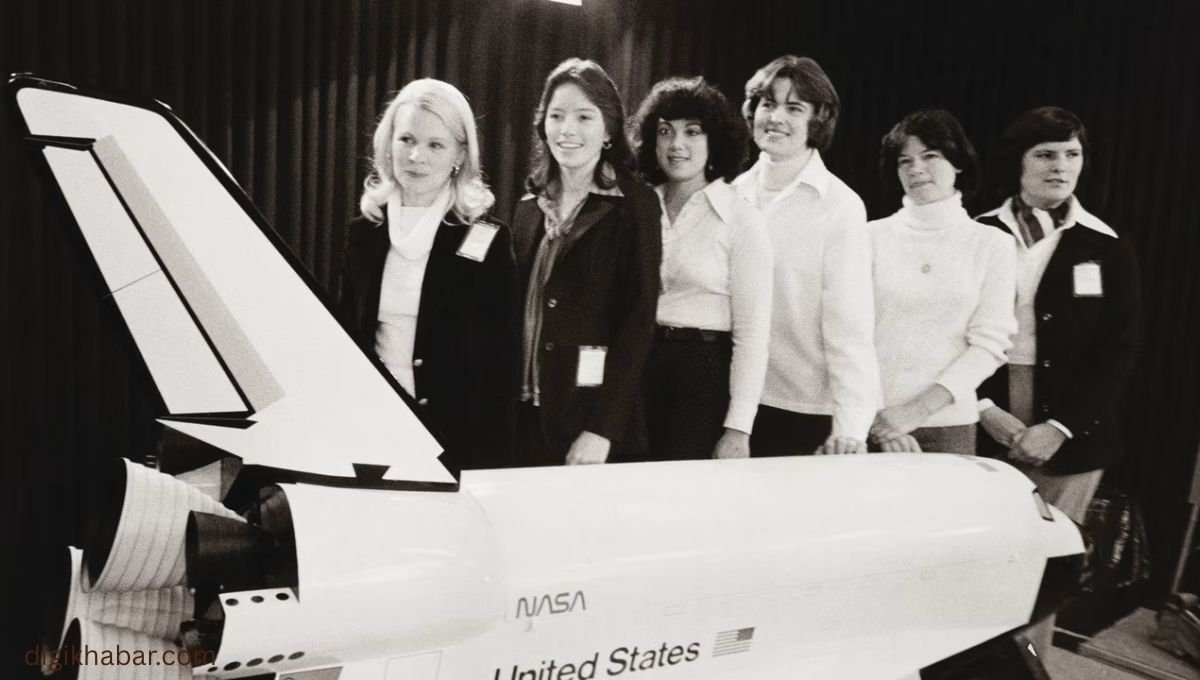
Breaking NASA Glass Ceiling: The dream of space has always belonged to humanity, but for a long time, women were kept on the sidelines. Decades after the first human ventured beyond Earth, only two women had ever been to space and both were Soviet. In the United States, it wasn’t until the Space Shuttle era that things finally began to change. The year 1978 became a turning point when NASA introduced a new class of 35 astronauts, six of whom were women. From that moment, the glass ceiling at NASA began to crack.
Sally Ride and the Beginning of a New Era
On June 18, 1983, the world witnessed history as Sally Ride, a brilliant physicist from California, took her seat aboard the Space Shuttle Challenger. With that single mission, she became the first American woman in space. Ride’s presence wasn’t just symbolic; it was proof that women could excel in a field long dominated by men.
Small Missteps and Big Breakthroughs
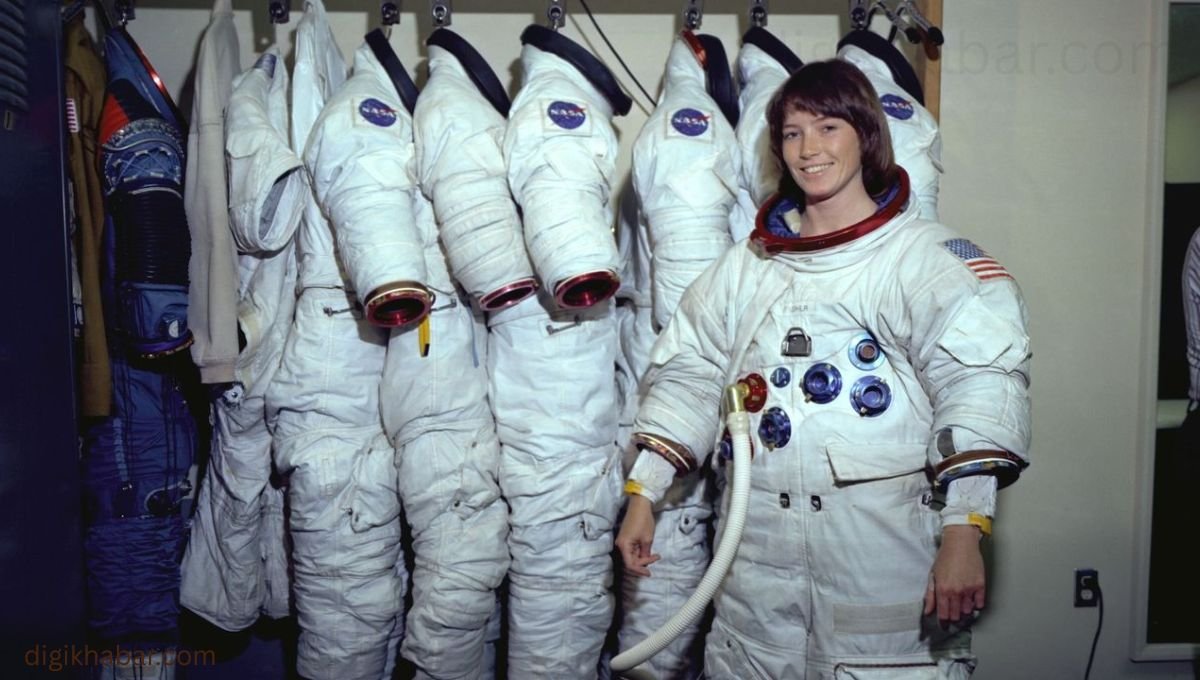
The inclusion of women was not without its awkward beginnings. NASA provided cosmetic kits for its first female astronauts, including mascara and lipstick, as though they might prioritize appearance over science. Sally Ride and Kathryn Sullivan laughed at the idea, while others like Rhea Seddon welcomed small touches of normalcy in front of the cameras. There were also comical misunderstandings such as offering Ride nearly a hundred tampons for a single mission.
These moments revealed how unprepared NASA was for the biological realities of women astronauts, yet they also showed a willingness to adapt. From redesigning flight suits and hygiene equipment to creating tailored absorption garments, NASA gradually learned what inclusion truly required.
Proving They Had the Right Stuff
Despite being highly qualified scientists, engineers, and doctors, these six women constantly faced skepticism. Some colleagues and reporters questioned their toughness, even asking Sally Ride if she would cry under pressure. Late-night shows made jokes about matching handbags to space suits.
But with every mission, women proved they were more than capable. Kathryn Sullivan became the first American woman to perform a spacewalk. Shannon Lucid flew five times and set the record for the longest time spent in space by a woman. Each success made it harder to deny their place in NASA’s legacy.
The Role of Representation and Diversity
The shuttle program was also the first to bring true diversity into NASA. Actress Nichelle Nichols, best known as Lt. Uhura in Star Trek, played a critical role in recruiting women and minorities. Her outreach encouraged women like Judy Resnik, who later became the first American Jewish woman in space. She also inspired future trailblazers like Mae Jemison, who in 1992 became the first Black woman in space.
NASA Today: A Changed Organization
The women of the Shuttle era laid the groundwork for today’s diverse astronaut corps. Now, female astronauts like Loral O’Hara and Jasmin Moghbeli carry on their legacy, proving that the “right stuff” is not defined by gender or race but by talent, courage, and determination.
As journalist Lynn Sherr, who chronicled Sally Ride’s journey, once said: “It took NASA 20 years to get there, but once they included women and minorities, they never turned back.”
Conclusion
The Space Shuttle program did more than just carry astronauts into orbit it carried a new vision of equality. For the first time, women were not guests in the story of space exploration but central characters. They endured jokes, doubts, and unfair scrutiny, but through resilience and brilliance, they changed the face of NASA forever.
Disclaimer:This article is for informational and educational purposes only. It is based on historical accounts, interviews, and reports about NASA’s Space Shuttle program and its astronauts. The aim is to highlight progress in gender equality within space exploration.
Also read
India Defies Tariffs: PM Modi Hails 7.8% Growth Amid Trump’s Criticism
PM Modi and President Trump Reignite Friendship, India US Ties on the Mend
Binance list to Avantis AVNT on Alpha and Futures With 50x Leverage