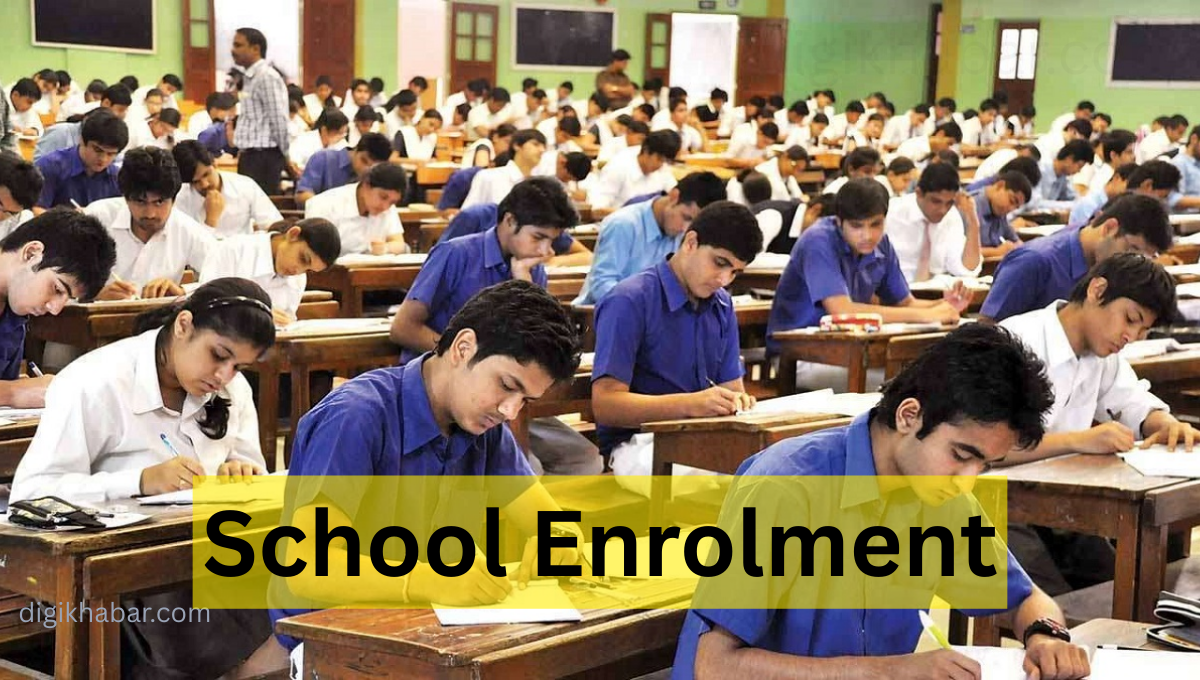
India School Enrolment at Seven Year Low: If you walk into many classrooms across India today, you may notice something different fewer children filling the seats. For decades, schools have been buzzing with large numbers of students, but the latest data reveals a quiet transformation. According to the Unified District Information System for Education Plus (UDISE+), total school enrolment in 2024–25 has dipped to 24.68 crore, the lowest in seven years. That’s a decline of about 11 lakh students compared to last year a trend that is now impossible to ignore.
Falling Birth Rates, Shrinking Classrooms
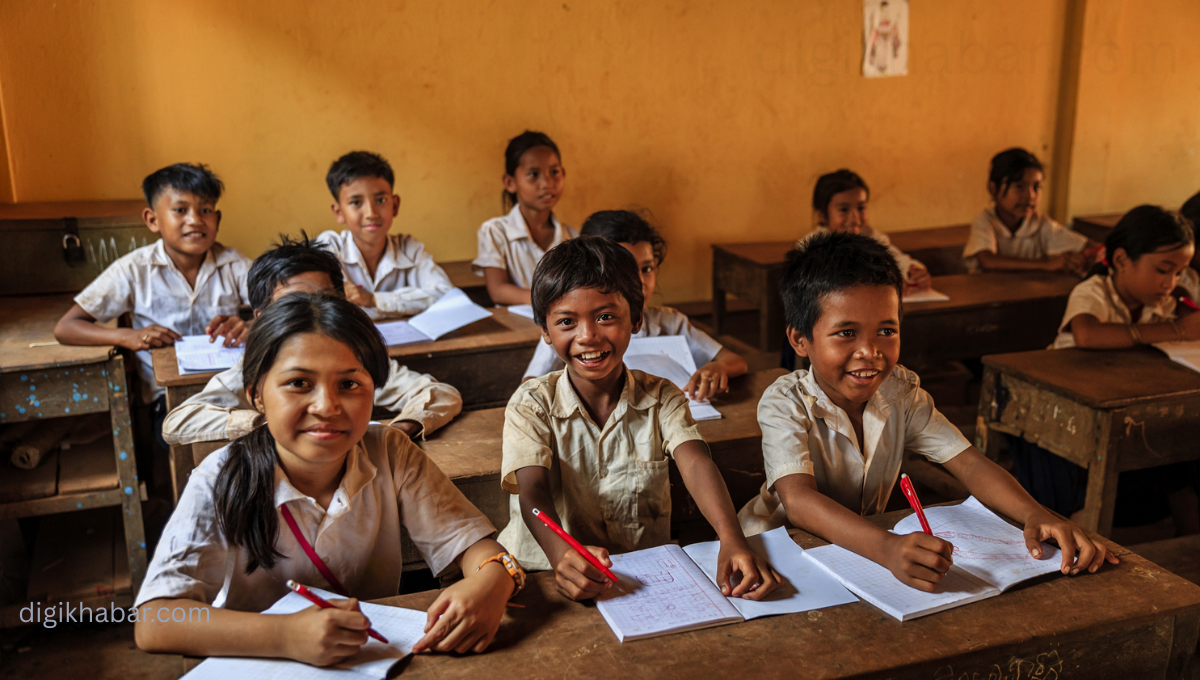
Experts have long predicted that India’s declining fertility would eventually reshape classrooms, and that moment has arrived. The country’s Total Fertility Rate (TFR) dropped to 1.91 in 2021, slipping below the replacement level of 2.1. For the first time, this demographic change has translated into fewer children entering school. Education officials admit that the decline is “primarily due to falling birth rates,” except in some states where population growth remains slightly higher.
Interestingly, this shift doesn’t come as a surprise. As far back as 2022, a National Council of Educational Research and Training (NCERT) study projected a fall in enrolments by 2025, citing a shrinking population in the 6 16 age group. The numbers we see today confirm those warnings.
Primary Classes See the Sharpest Fall
The most striking impact has been on the primary level (Classes 1–5). Enrolment has slipped from 10.78 crore in 2023–24 to 10.44 crore in 2024–25, a sharp dip of nearly 34 lakh students. Yet, not all levels are facing decline. Pre-primary, upper primary, secondary, and higher secondary levels have shown gains, largely because older cohorts—born during higher birth rate years are still moving through the system. This uneven growth is a reminder of India’s changing demographic pyramid: the base is narrowing, but higher levels remain steady for now.
Government vs. Private Schools: A Tale of Two Trends
The enrolment story is also shaped by where students choose to study. Government schools saw a steep fall, dropping from 12.75 crore to 12.16 crore, a loss of nearly 59 lakh students. Private schools, however, gained almost the same number, jumping from 9 crore to 9.59 crore. This near mirror-image shift signals a growing preference for private education, as families seek different opportunities for their children even as overall student numbers decline.
Fewer Dropouts, Stronger Retention
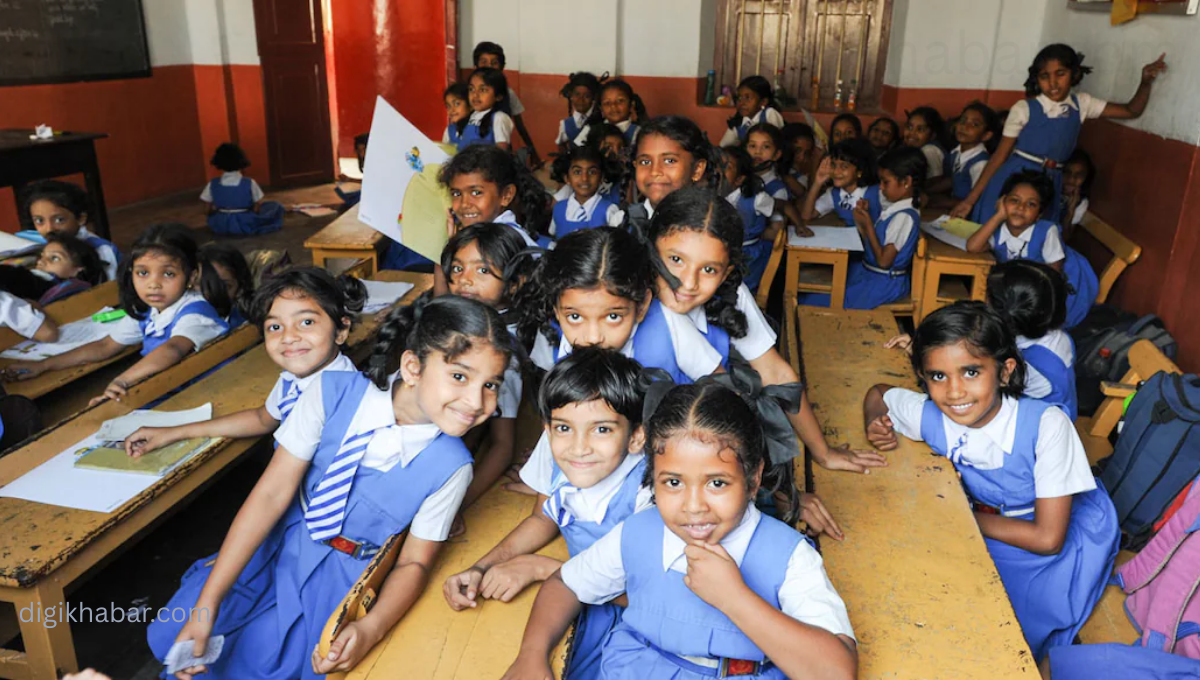
Amidst the falling enrolments, there is one silver lining. Dropout rates have declined across multiple levels, from preparatory to secondary classes. This means more children are staying in school once they enter, a positive development for long-term learning outcomes. Retention may not completely offset the shrinking base, but it offers hope that the students who are enrolled will have a better chance of completing their education.
What This Means for India’s Future
The decline in school enrolment is more than just a statistic it reflects a deeper demographic shift with profound social and economic consequences. Fewer children mean smaller classrooms, fewer new teachers needed, and eventually, a smaller workforce. But it also opens opportunities: with fewer students, there’s a chance to focus on quality over quantity, ensuring every child receives more attention and resources. For policymakers, the challenge lies in balancing shrinking cohorts, addressing the migration to private schools, and preparing for the long-term impact of a slower growing population.
Disclaimer: This article is based on official data and reports from UDISE+ and other credible sources. It aims to provide an easy to understand analysis of current trends in India’s education system. Interpretations expressed are for informational purposes only.
Also read: NHPC Non Executive Recruitment 2025: Apply Now for Junior Engineer, Accountant and More Posts